HERSTORY · ISSUE 3 / 202601 / 75
Woman2Woman presents
A digital feature magazine
THE WOMAN BEHIND THE WORK
HERSTORY
Natacha Pennycooke
A calling to heal, uplift, and lead.
Empowered Women. Empower the World.
Autumn / Winter 2026
The woman behind the work.
A calling to heal, uplift, and lead — in conversation with Natacha Pennycooke.
Meet Natacha Pennycooke, a pioneer in the work of helping people be seen, heard, and valued.
Listen at your pace
Ready when you are.
Uses the most natural female voice available on your device.
Read-aloud is not available in this browser, but the page is still here for you to read.
Woman2Woman presents
A digital feature magazine
THE WOMAN BEHIND THE WORK
Natacha Pennycooke
A calling to heal, uplift, and lead.
Empowered Women. Empower the World.
Autumn / Winter 2026
A calling answered changes everything.
A conversation about purpose, representation, resilience, and the work of holding people with care.
Every woman carries a story worth holding.
Welcome to HERSTORY Issue 3 — a space for the women whose work reaches far beyond a title.
In this issue, I am honoured to introduce you to Natacha Pennycooke: therapist, pioneer, advocate, and a woman who has made a practice of seeing people fully. Her story is about purpose, but it is also about the courage it takes to become the representation you once needed.
May these pages remind you that healing can become service, that leadership can remain deeply human, and that your calling does not have to arrive fully formed. Sometimes, it begins as a question you cannot stop asking.
Empowered Women. Empower the World.
A woman answering her call makes room for others.
By Cherriell Orius
The work begins with seeing the whole person.
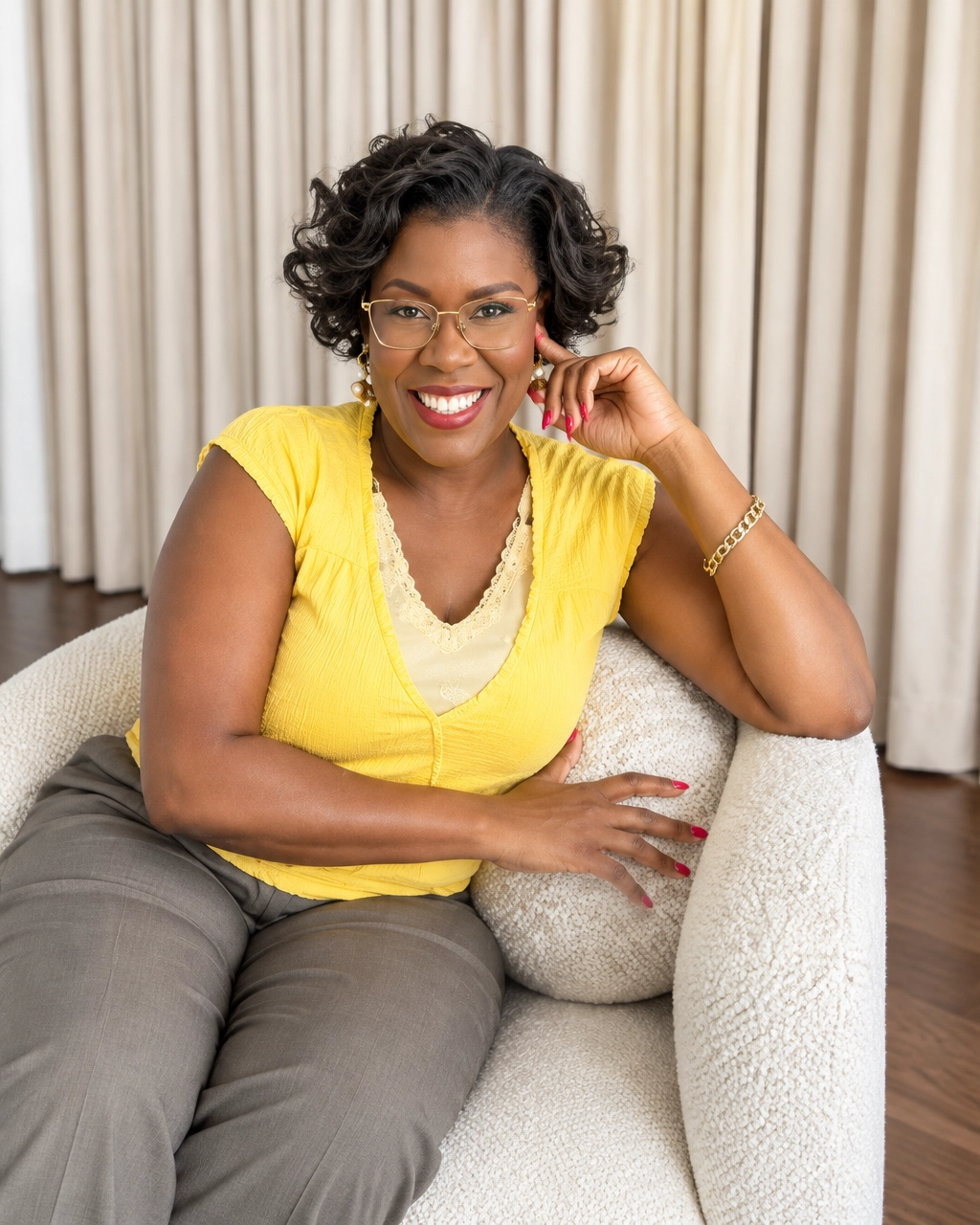
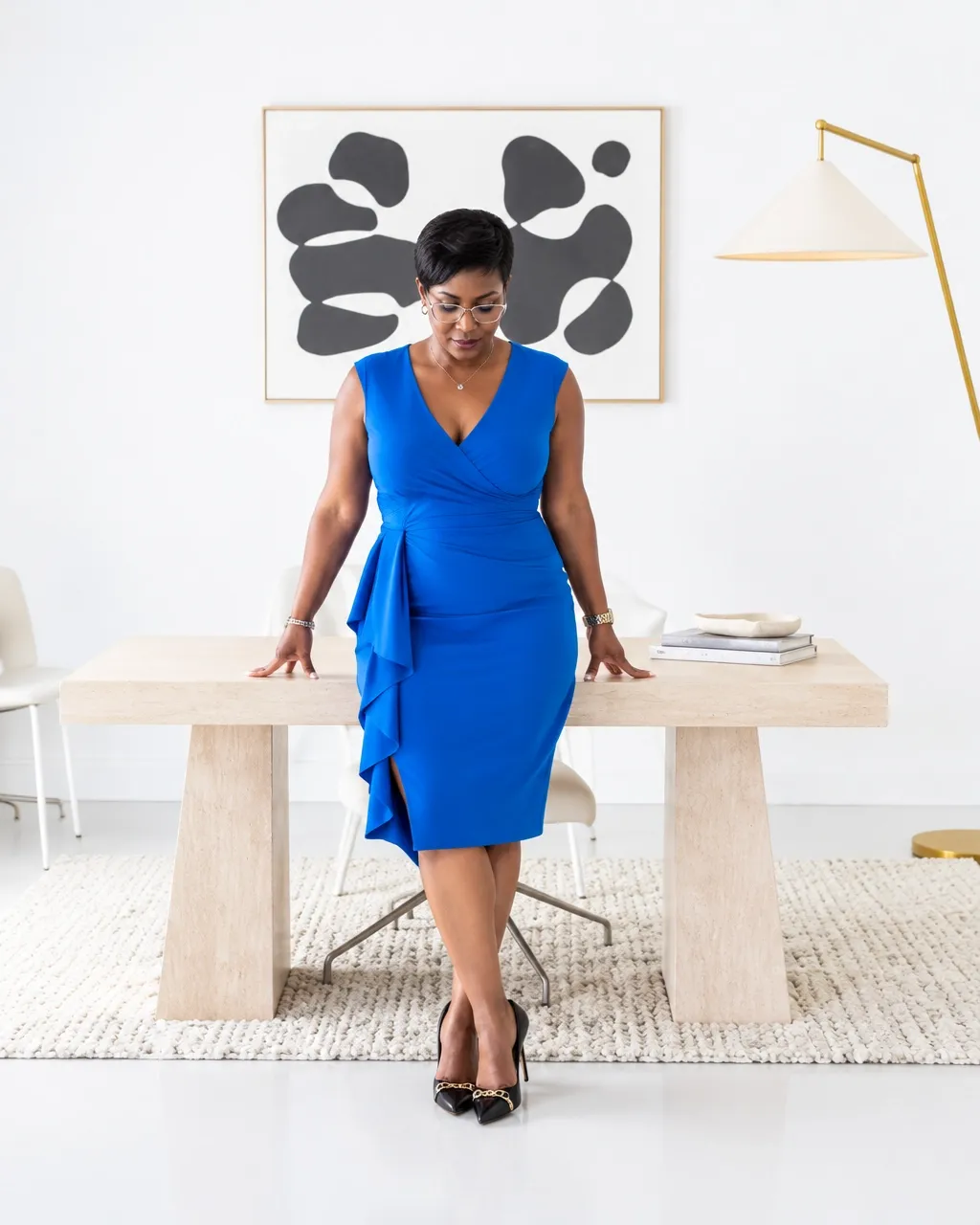
When Natacha Pennycooke enters a room, something shifts. Not because of a title, a credential, or the letters that follow her name — but because of the unmistakable presence of a woman who has answered a calling. A calling that demanded courage, patience, sacrifice, and a willingness to walk into spaces where she once felt unseen.
“This conversation is not simply about a company, a title, or a public role,” I began as we sat down for our Woman-to-Woman series. “It's about a woman who answered a call to serve, even when that call required courage, patience, and sacrifice.”
Natacha smiled, hand over her heart, already feeling the weight and warmth of the question that followed: Who are you at your core?
Start with the question beneath the title.

When Natacha speaks about her identity, she doesn't begin with her profession. She begins with God.
“I deeply, deeply know in my heart of hearts and core of core that God has ordained such a gift on my life,” she said.
Her voice softened, but her conviction sharpened. She believes her purpose is to use every drop of the gift she's been given — to help people be seen, heard, and valued in a world that often overlooks the humanity behind the résumé.
In her words, “We live in a world that often doesn't see people… doesn't value the humanity that we all have.”
Purpose is a practice of attention.

Long before she founded her boutique psychotherapy practice, Natacha was a little Black girl in a predominantly white neighborhood — the only one in Girl Guides, in jazz ballet, in classrooms where no one looked like her.
“I wasn't seeing myself represented… so I became it.”
That absence of representation didn't just shape her identity; it shaped her mission. Today, she stands as the representation she once needed — and the representation countless others now seek.
Her practice specializes in trauma, racial trauma, anti-Black racism, and the emotional realities of racialized professionals navigating systems not built with them in mind. She serves individuals, couples, youth, and organizations, all through a people-first lens.
“We help individuals going through trauma, anxiety, depression… postpartum issues, men's issues, women's issues, couples navigating infidelity or infertility, youth dealing with stress,” she explained.
But beyond the clinical list is a deeper truth: Natacha built a space she once needed.
Become the proof you once needed.

Being a pioneer is rarely glamorous. It is often lonely, uncertain, and demanding. Natacha knows this intimately.
“No one else was doing it… so I jumped in and became the one who does it,” she said with a laugh that carried both humility and grit.
Her ideas were big. Her vision was bold. And her tenacity — undeniable.
But pioneering also meant pushing through moments when she couldn't see the path ahead. Moments when commitment mattered more than clarity. Moments when she had to choose herself, even when systems didn't.
Bravery can sound like a laugh.
Natacha's commitment to healing is not theoretical — it is personal.
She grew up in a home marked by dysfunction, her father's alcoholism, and physical violence. These experiences sparked questions that would later define her career: Why do people cope the way they do? What generational patterns shape us? How do we break cycles we didn't choose?
Instead of numbing her pain, she transformed it.
“What I turned it into really was purpose,” she shared.
Her empathy is not performative — it is lived. She sees her clients because she has been where they are.
Healing can become a way of meeting someone else in the dark.
Your story can change shape.
Natacha has held some of the heaviest human stories — including sexual assault trauma in emergency rooms, moments when survivors walked in bruised, bleeding, and broken.
“It was such a hard space… I took everything with me,” she admitted.
She learned, through experience and exhaustion, that healing work requires boundaries, support, and the courage to pause.
“You can't pour from an empty cup,” she reminded.
Today, she carries her clients' stories with reverence, not weight. She holds space without losing herself in it. And she teaches others to do the same.
Support. Boundaries. Pause.
Hold space without losing yourself.
Reverence is not the same as weight.
Natacha didn't start her company because entrepreneurship was glamorous. She started it because she had a panic attack in a toxic workplace — a moment that forced her to choose herself.
“This is not my dream job,” she realized. “I'm going to go make my dream job.”
That decision became the catalyst for Natacha Pennycooke Psychotherapy & Consulting Services — now an award-winning practice recognized for excellence across Canada.
Her fuel in the beginning was survival. Today, her fuel is impact.
I'm going to go make my dream job.
A dream job can be a reclaimed calling.
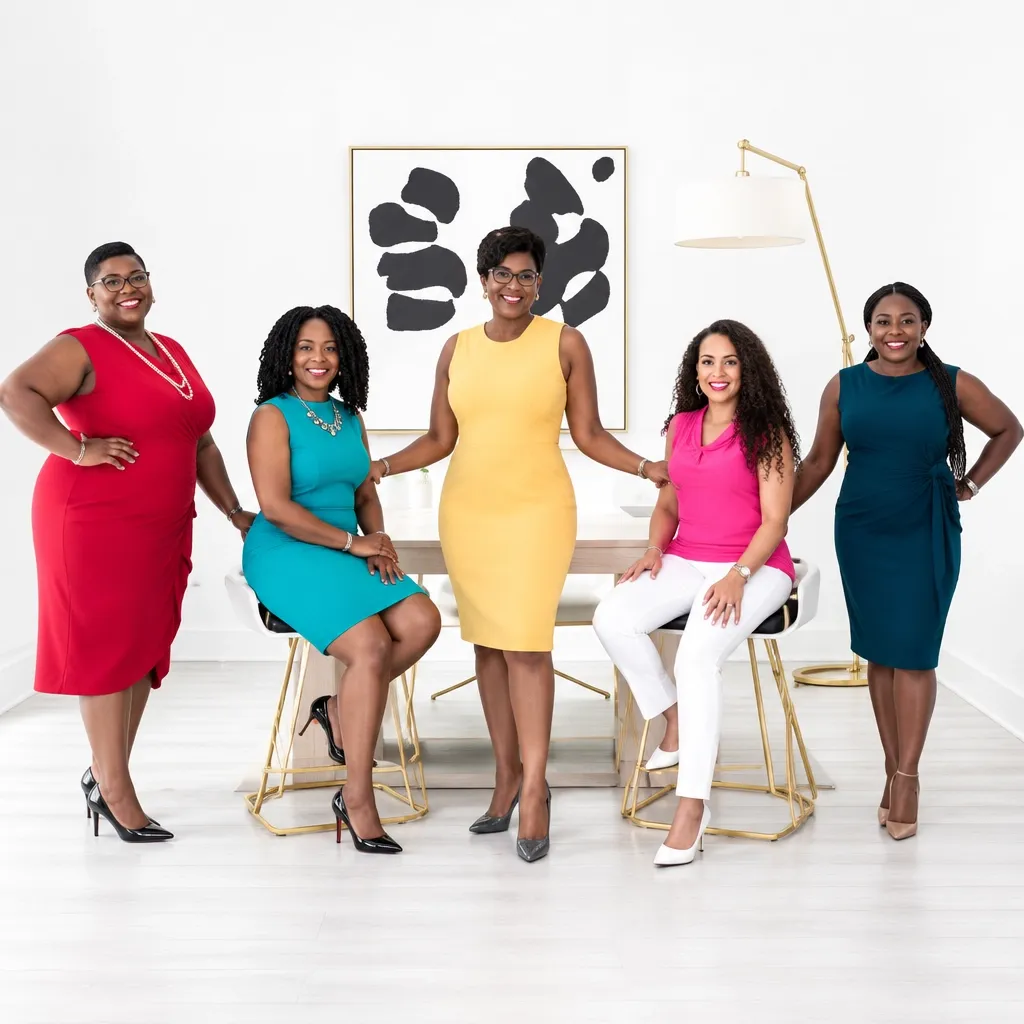
Natacha's leadership is anchored in a simple but radical belief: people matter.
Not their titles. Not their achievements. Not their productivity.
Their humanity.
“We see the whole you,” she said. “Not just a piece of you.”
Her practice serves high-achieving racialized professionals — lawyers, doctors, executives, youth, caregivers — individuals who often appear strong on the outside but are silently carrying the weight of expectations, identity, and exhaustion.
People are never just one piece of the picture.
Natacha's mother once told her she had three strikes against her:
“You're Black, you're a woman, and you're English-speaking.”
Instead of shrinking, Natacha expanded.
She shows up in women's spaces, entrepreneurial circles, and community organizations to dismantle imposter syndrome, affirm identity, and remind women that they are allowed to take up space.
Women, she believes, bring something distinct to leadership: nurturing, resilience, emotional intelligence, and the ability to carry others while carrying themselves.
Care as a form of power.
The ability to keep becoming.
Leadership that can hold people.
There is room for the full measure of you.

Natacha's story is not one of perfection — it is one of becoming.
Becoming the representation she needed.
Becoming the healer she once sought.
Becoming the leader her community deserves.
Her journey is deeply personal, profoundly spiritual, and undeniably powerful.
And as she continues to build, expand, and pioneer, one truth remains constant:
She sees people — fully, wholly, and without condition.
And in a world that often forgets to look, that is revolutionary.
Natacha's story is not one of perfection — it is one of becoming.
Becoming the representation she needed.
Becoming the healer she once sought.
Becoming the leader her community deserves.
Her journey is deeply personal, profoundly spiritual, and undeniably powerful.
And as she continues to build, expand, and pioneer, one truth remains constant:
She sees people — fully, wholly, and without condition.
And in a world that often forgets to look, that is revolutionary.
To see someone fully is to change the room.
With gratitude for every woman who makes a way where there was none.
Natacha reminds us that the work of becoming is rarely separate from the work of serving. May her example help you trust the questions that keep calling you forward, and the people you are becoming brave enough to hold.
Empowered Women. Empower the World.
A Cherrie Orius publication
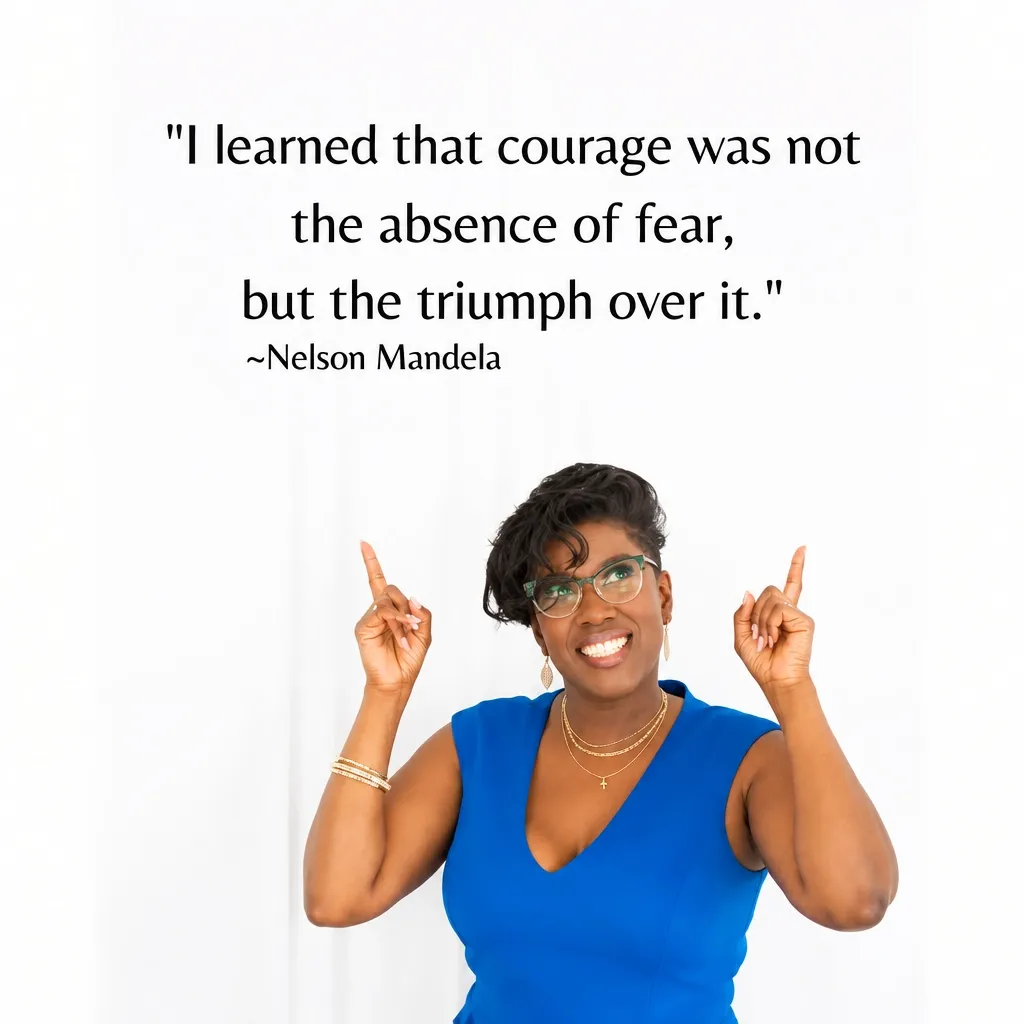
By Cherriell Orius
Stress rarely announces itself.
It doesn't always arrive as a crisis, a breakdown, or a dramatic turning point. More often, it shows up quietly — in the tightness of your shoulders, the shallow breath you didn't notice, the racing thoughts you call "normal," and the exhaustion you've learned to push through.
In today's world, stress has become a daily companion. But when daily stressors go unaddressed, unspoken, or suppressed, they begin to reshape the body and mind in ways many people don't recognize until they're overwhelmed.
This is the story of what stress does when we ignore it — and how we reclaim our health through intentional routines, emotional awareness, and therapeutic support.
The body is always telling the truth.
Stress is not just an emotion; it is a physiological event.
When the brain perceives pressure — deadlines, financial strain, relationship tension, caregiving, discrimination, or even constant multitasking — it activates the body's stress response.
Cortisol rises.
Heart rate increases.
Muscles tighten.
Digestion slows.
Sleep becomes shallow.
Focus becomes scattered.
When this happens occasionally, the body recovers.
When it happens daily, the body adapts — and not in healthy ways.
The Physical Effects of Suppressed Stress:
The body keeps score. And when stress is suppressed rather than processed, the score becomes cumulative.
The body keeps score.
Emotionally, suppressed stress doesn't disappear — it reroutes.
People often describe:
This is not weakness.
This is the brain trying to operate under constant load.
Over time, unaddressed stress can contribute to anxiety, burnout, and depressive symptoms — not because someone is failing, but because the mind has been carrying too much for too long.
This is not weakness.
Many people suppress stress because:
But suppression is not resolution.
It is postponement — and postponed stress always returns with interest.
The goal is not to eliminate stress, but to interrupt the cycle before it becomes chronic.
Relief begins with interruption.
Here are practical, sustainable routines that support both body and mind — grounded in research and widely used in therapeutic settings.
A short, structured ritual that signals safety to the nervous system:
This simple routine reduces cortisol and improves mental clarity.
A therapy-informed technique:
Research shows that labeling emotions reduces their intensity and prevents suppression.
Small practices can make room for relief.
Pause midday and mentally scan from head to toe:
This reconnects the mind with the body — a key step in preventing chronic tension.
Choose one of the following for 15 minutes:
This signals the brain to shift out of "performance mode."
This can be done alone, with a trusted friend, or in therapy:
This builds emotional literacy and prevents buildup.
Consistency is care in motion.
Therapy is not only for crisis.
It is a structured space to process stress before it becomes unmanageable.
A therapist helps you:
Therapy is not about "fixing" you.
It is about supporting you as you learn to carry life differently — with more clarity, more compassion, and more control.
A space to exhale.
Stress will always exist.
But chronic stress does not have to.
Your body is designed to heal.
Your mind is designed to adapt.
Your spirit is designed to rise.
The key is giving yourself permission to pause, to feel, to breathe, and to seek support when needed.
Wellness is not a luxury.
It is a daily practice — one that protects your future, honors your present, and restores the parts of you that stress has tried to silence.
Take yourself back.
By Cherriell Orius · Beauty Editor
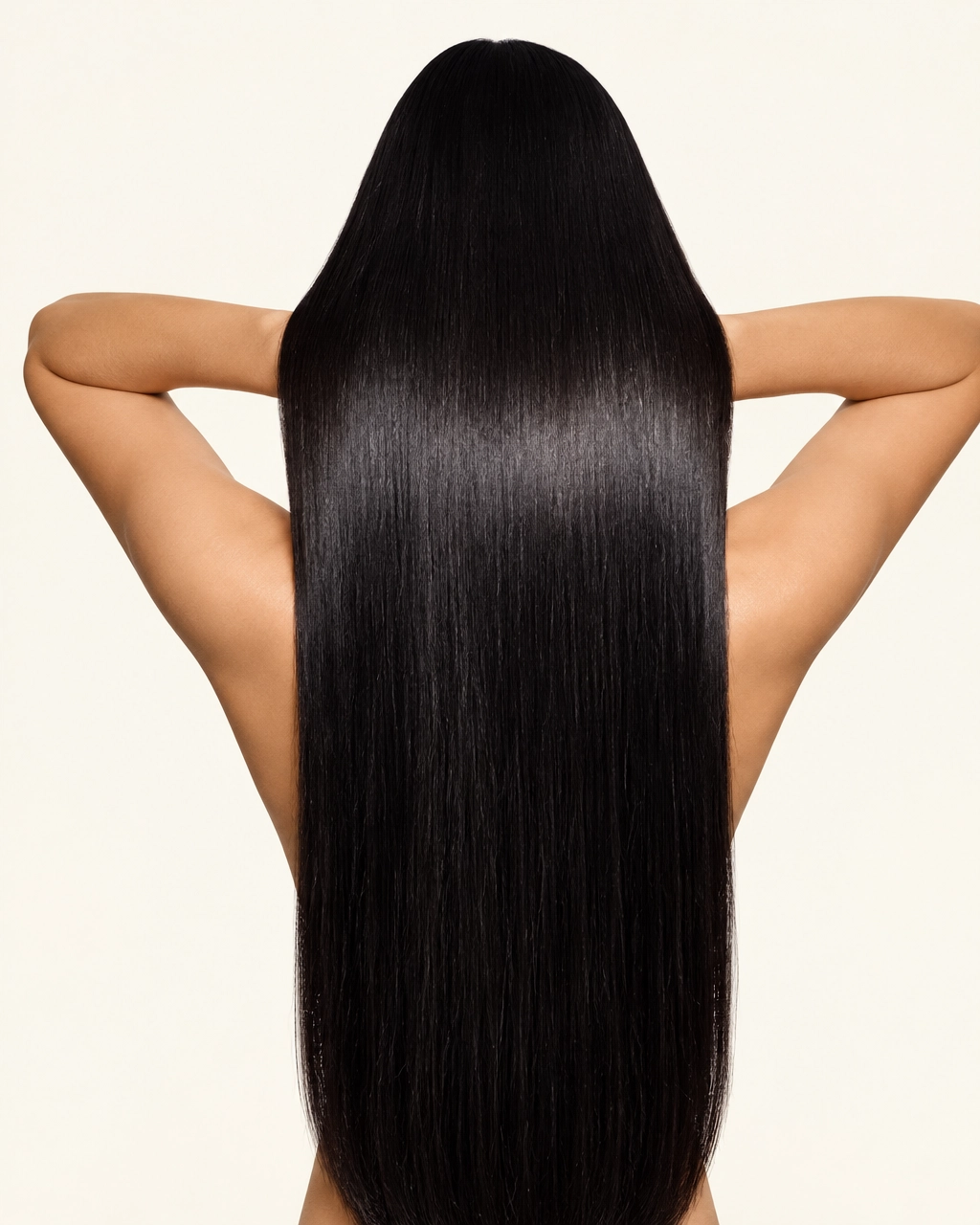
Healthy hair doesn't happen by accident — it happens by balance.
Not trends.
Not overnight miracles.
Not the latest product going viral.
The true foundation of strong, shiny, resilient hair is moisture balance: the harmony between hydration, nourishment, cleansing, and protection. When that balance is off, hair becomes dull, brittle, frizzy, or weighed down. When it's restored, hair thrives.
This is the beauty science behind moisture, maintenance, and the rituals that keep your hair at its best.
Healthy hair begins with balance.
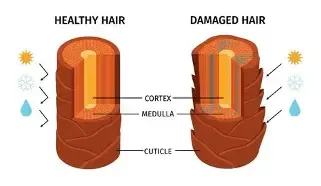
Every strand of hair needs moisture — not occasionally, but consistently. Moisture keeps the hair flexible, prevents breakage, and protects the cuticle from everyday stressors like heat, styling, and environmental dryness.
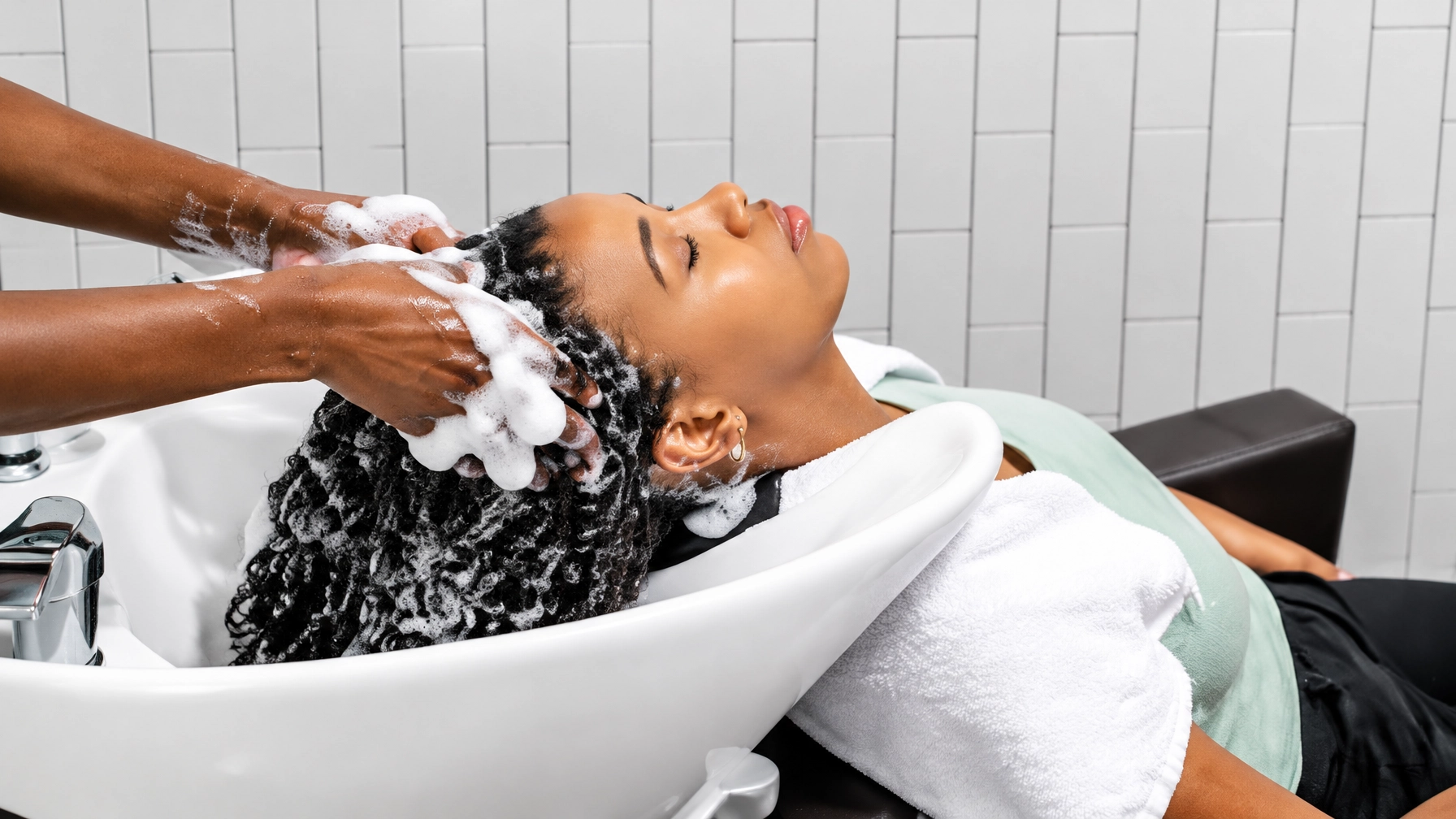
A moisture-rich shampoo should be your regular, weekly go-to.
It gently cleanses without stripping natural oils, keeping the hair soft and manageable.
Conditioner is non-negotiable.
It replenishes hydration, smooths the cuticle, and restores elasticity — the key to preventing breakage.
Moisture is the foundation.
Everything else builds on top of it.
Everything else builds on top of it.
Even the best products can leave residue over time. Oils, creams, gels, edge controls, and even moisture shampoos can accumulate on the scalp and hair shaft. When buildup forms, hair becomes dull, heavy, and resistant to moisture.
A clarifying shampoo is your reset button.
Use it every 3 months to:
- Remove product buildup
- Deep-clean the scalp
- Restore natural shine
- Allow moisture products to work again
Clarifying is not for weekly use — it's a seasonal detox that keeps your hair responsive and healthy.
Clarifying is a seasonal detox.
After clarifying, the hair needs nourishment.
This is where a restoring shampoo comes in.
Restoring shampoos:
- Strengthen weakened strands
- Support damaged or chemically treated hair
- Rebuild softness and elasticity
- Prepare hair for conditioning treatments
Think of it as the "vitamin boost" after the detox.

Nourishment brings softness back.
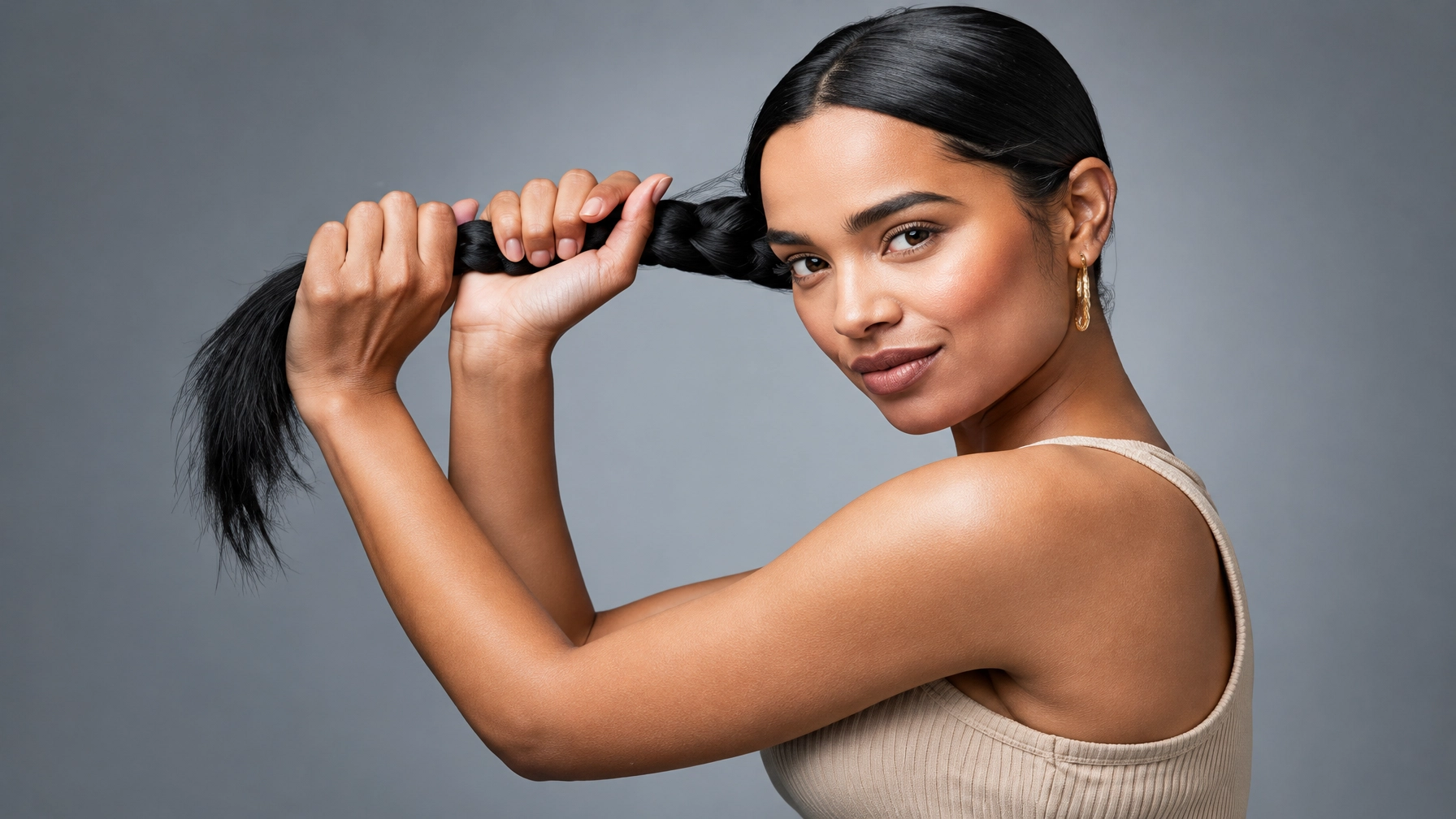
Hot oil treatments are one of the oldest — and most effective — beauty rituals for hair health.
Warm oils penetrate the hair shaft, delivering:
- Deep moisture
- Shine
- Reduced frizz
- Protection against breakage
- Improved scalp health
Use a hot oil treatment every 2-4 weeks, especially if your hair is dry, curly, color-treated, or exposed to heat styling.
Care is a ritual, not a rush.
Split ends cannot be "fixed" by products.
They can only be removed.
A professional trim every 8-12 weeks:
- Removes split ends
- Prevents breakage from traveling up the hair shaft
- Keeps hair looking full and healthy
- Supports length retention
Trimming is not losing length — it's protecting it.

Trimming is protecting length.
Here is a simple, effective routine you can follow at home to keep your hair balanced, moisturized, and thriving.
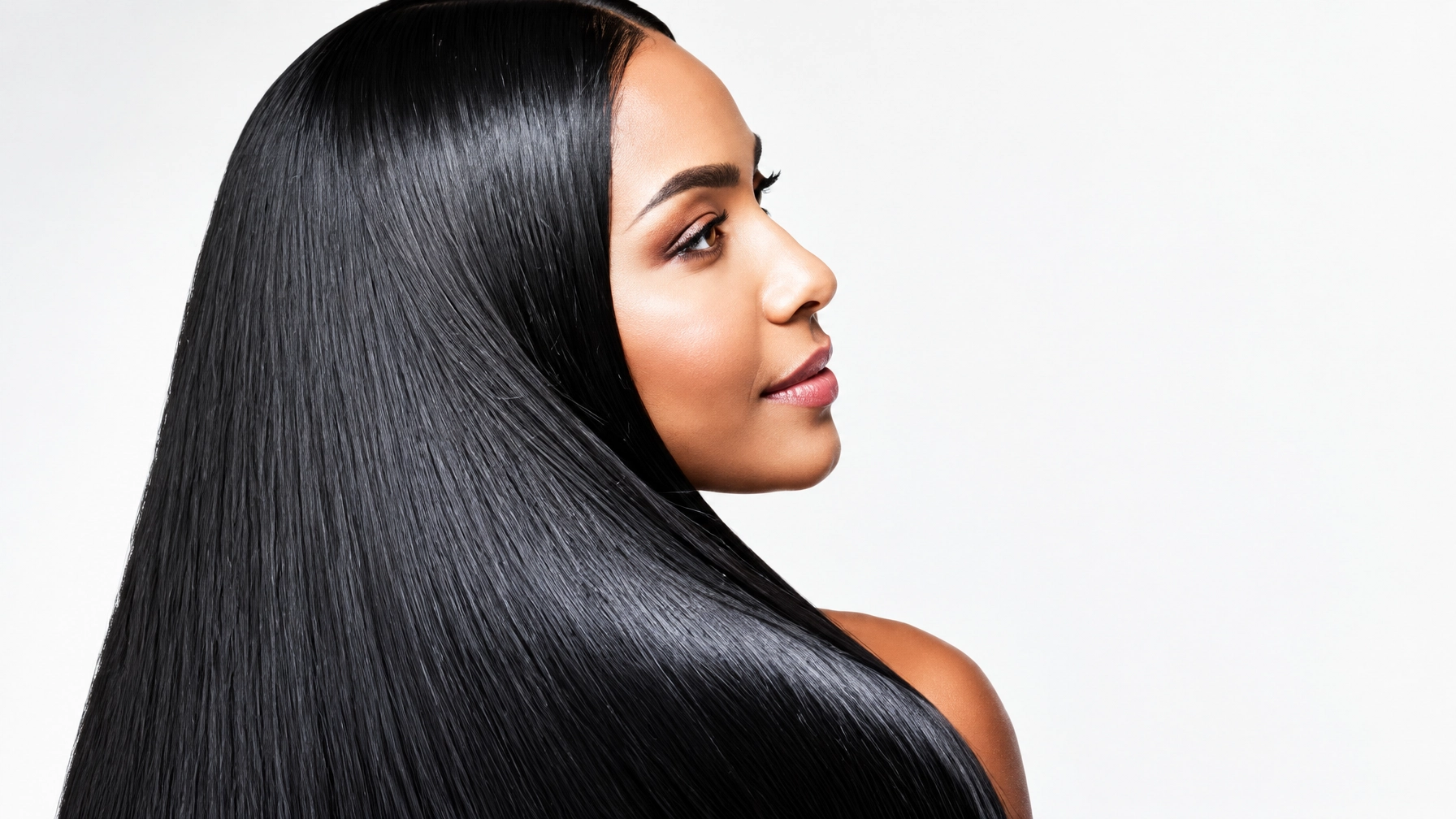
1. Moisture Shampoo — Gently cleanse the scalp and hair.
2. Moisture Conditioner — Apply from mid-shaft to ends. Detangle with a wide-tooth comb.
3. Leave-In Conditioner or Moisturizing Cream — Locks in hydration.
4. Light Oil Seal (optional) — Use jojoba, argan, or grapeseed oil to seal moisture.
5. Air-Dry or Low-Heat Styling — Avoid high heat unless necessary.
The right rhythm keeps hair thriving.
Hot Oil Treatment — Warm the oil, apply generously, cover with a cap, and let it sit for 20-30 minutes before shampooing.
Restoring Shampoo — Use once a month to strengthen and nourish.
Clarifying Shampoo — Reset the hair and scalp. Follow immediately with a restoring shampoo and a deep conditioner.
Salon Trim — Remove split ends and maintain shape.
Healthy hair is not about perfection — it's about consistency.
Moisture keeps the hair alive.
Clarifying keeps it clean.
Restoring keeps it strong.
Hot oil keeps it nourished.
Trimming keeps it growing.
When you honor the balance, your hair responds with shine, softness, strength, and vitality.
Your hair doesn't need more products — it needs the right rhythm.
Your hair needs the right rhythm.

By Cherriell Orius
In a world where "more" is marketed as the measure of success — more clothes, more subscriptions, more upgrades, more lifestyle — choosing to live below your means is a radical act of self-control and long-term vision. It's not about deprivation. It's not about shrinking your life. It's about expanding your future.
Living beneath your means is the financial sweet spot where peace, stability, and opportunity meet. It's the difference between surviving and thriving — and it's one of the most underrated wealth-building strategies of our time.
It's about expanding your future.
Wealth isn't built through big leaps — it's built through steady habits. When you spend less than you earn, you create margin. That margin becomes savings, investments, emergency funds, and opportunities.
Financial margin is financial power.
Money stress is one of the leading causes of emotional strain. Living below your means creates breathing room — the kind that lets you sleep at night, make decisions without panic, and navigate life without fear of the next unexpected bill.
When your lifestyle doesn't consume your entire paycheck, you gain choices:
- The choice to change jobs
- The choice to take a break
- The choice to invest
- The choice to travel
- The choice to say "no"
Freedom is not about having everything — it's about not being owned by anything.
Emergencies happen. Cars break down. Appliances fail. Life shifts.
Living below your means ensures you're prepared, not panicked.
Financial stability compounds.
The habits you build today become the wealth you enjoy tomorrow.
Financial margin is power.
This isn't about extreme budgeting or cutting joy out of your life. It's about intentionality, awareness, and smart habits.
You can't live below your means if you don't know what your means actually are.
Calculate:
- Monthly income
- Monthly bills
- Monthly spending habits
- Monthly savings
Awareness is the first step toward control.
A lifestyle cap is the maximum amount you allow yourself to spend monthly — even if you earn more.
Example:
If you earn $5,000 a month, you may cap your lifestyle at $3,500.
The remaining $1,500 becomes savings, investments, or debt payoff.
This is how wealth is built quietly.
Automation removes temptation.
Set up:
- Automatic savings transfers
- Automatic investment contributions
- Automatic bill payments
When the important things happen first, everything else becomes optional.
These are the small costs that drain your money without adding value:
- Unused subscriptions
- Daily convenience purchases
- Impulse buys
- Fees and penalties
- Overpriced services
Eliminating invisible expenses can save hundreds each month.
Awareness creates choice.
If you want something that isn't essential, wait 48 hours before buying it.
Most impulse desires fade.
The ones that don't are worth considering.
Living below your means doesn't mean buying cheap — it means buying smart.
Quality items last longer, cost less over time, and reduce repeat spending.

Quality items last longer, cost less over time, and reduce repeat spending.
Quality is a quiet investment.
Aim for 3-6 months of expenses.
This fund protects your future and prevents financial backsliding.
Lifestyle inflation happens when your spending rises with your income.
Instead:
- Keep your lifestyle steady
- Increase your savings
- Increase your investments
Your future self will thank you.
Your future self will thank you.
Make room before life asks.
Not obsessively — just intentionally.
A quick weekly review helps you:
- Catch overspending early
- Stay aligned with your goals
- Make adjustments before the month ends
Spend on what matters.
Cut what doesn't.
Value-based spending means your money reflects your priorities — not trends, pressure, or comparison.

Spend on what matters.
Living below your means is not about restriction — it's about liberation. It's about choosing long-term stability over short-term satisfaction. It's about building a life where money supports you instead of stressing you.
Financial peace is not found in earning more.
It's found in managing well.
And the moment you begin living beneath your means, you step into a life where your future is bigger than your paycheck — and your possibilities are bigger than your fears.
It's found in managing well.
By Cherriell Orius
In the world of fitness, sculpting your body is often framed as a physical pursuit — a grind of reps, routines, and discipline. But true transformation goes deeper. It's emotional. It's mental. It's spiritual. And at Twisted Fitness, owner Rio has built a space where physical strength and inner confidence rise together, intertwining like the dancers who climb, spin, and soar on her studio's poles.
This is not just a gym.
It's a movement.

This is not just a gym.
Physical fitness begins with intention — the desire to shape your body into its strongest, healthiest, most expressive form. Sculpting your physique isn't about chasing perfection; it's about building a body that supports your lifestyle, your identity, and your confidence.
Strength training builds muscle.
Cardio builds endurance.
Flexibility builds mobility.
But empowerment? That comes from movement that makes you feel alive.
And that's where Twisted Fitness enters the conversation.
Movement makes you feel alive.
Pole dancing and chair dancing have evolved far beyond their misunderstood stereotypes. Today, they are recognized as legitimate, powerful forms of fitness — blending strength, artistry, sensuality, and athleticism.
At Twisted Fitness, these forms of movement are celebrated as tools for sculpting not just the body, but the woman within.
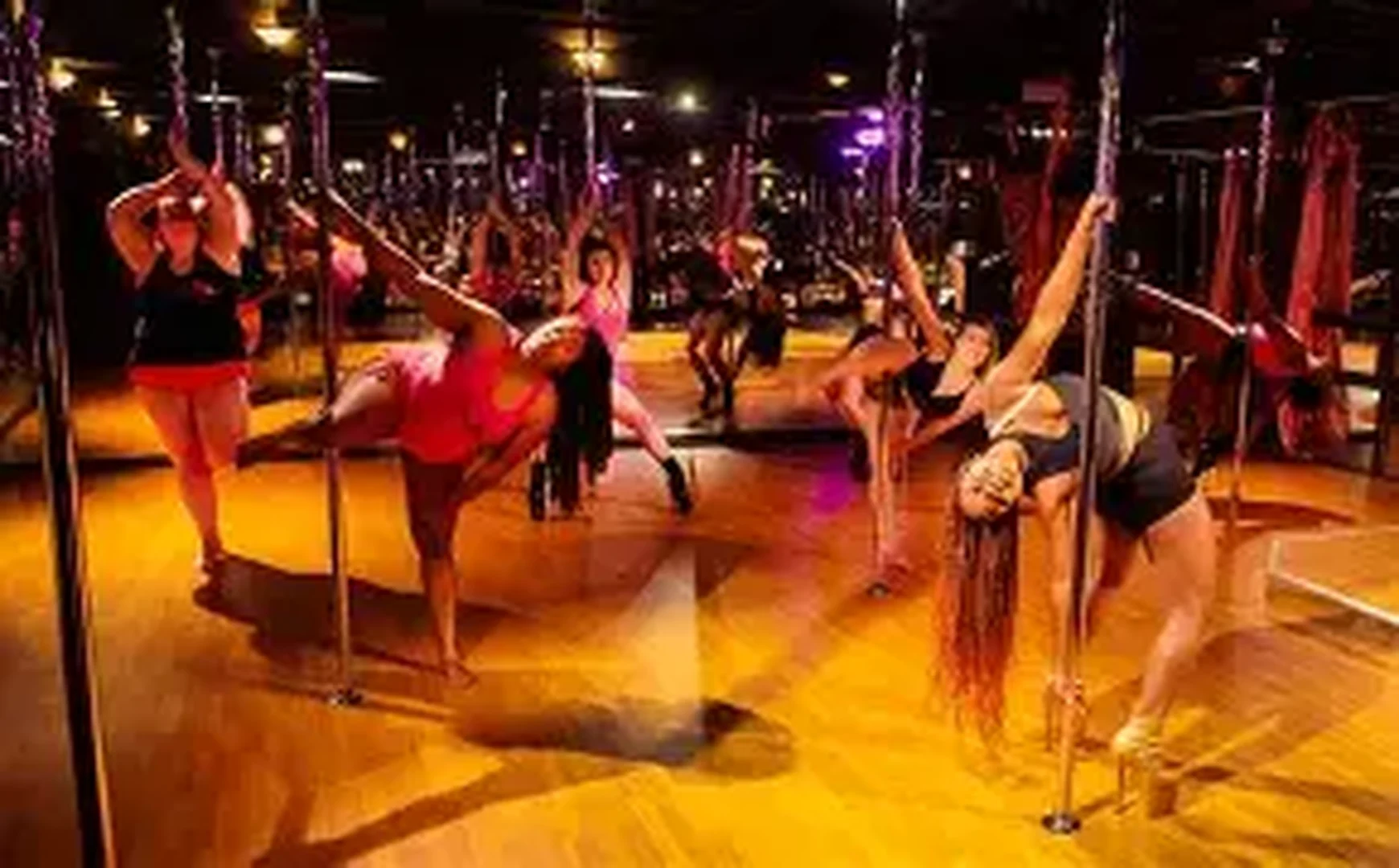
Pole dancing demands:
- Upper-body strength
- Core stability
- Flexibility
- Balance
- Controlled movement
Every climb builds muscle.
Every spin builds endurance.
Every inversion builds courage.
Chair dancing is fluid, expressive, and deeply empowering. It teaches:
- Body awareness
- Rhythm
- Sensual movement
- Emotional release
- Confidence in your own skin
Together, these forms of fitness create a full-body sculpting experience — one that tones the muscles while awakening the spirit.
Every inversion builds courage.
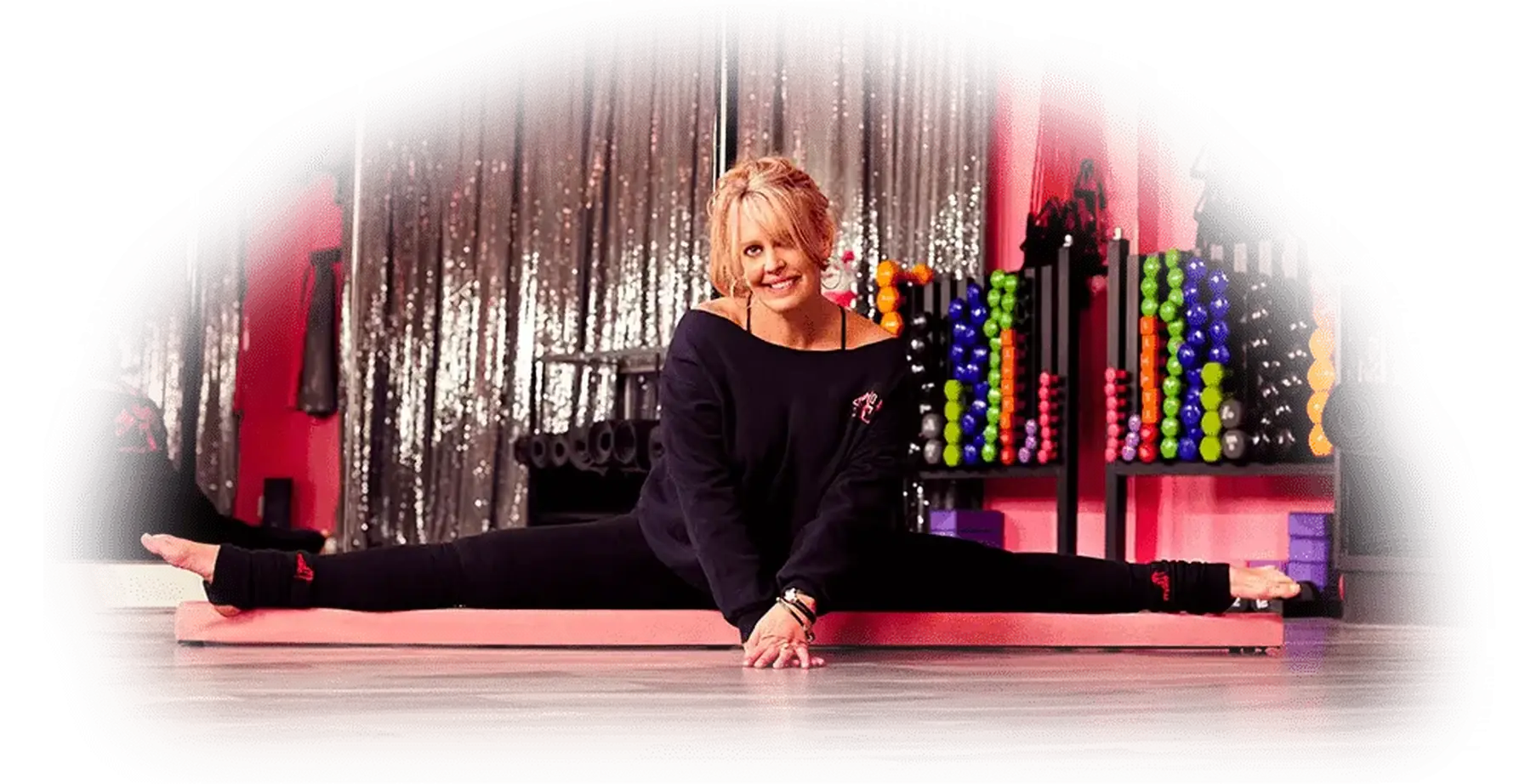
Founded by Rio, Twisted Fitness is more than a studio — it's a sanctuary for women reclaiming their strength, sensuality, and self-expression.
Rio built Twisted Fitness with a mission:
To help women sculpt their bodies while rediscovering the confidence they thought they lost — or never knew they had.
Her studio blends:
- Physical conditioning
- Dance artistry
- Emotional empowerment
- Community support
Women walk in curious.
They walk out transformed.
Rio's philosophy is simple:
When a woman feels strong in her body, she becomes unstoppable in her life.
Women walk out transformed.
Physical fitness changes the body — but movement that celebrates femininity changes the mind.
Pole and chair dancing help women:
- Release insecurities
- Build self-trust
- Embrace sensuality without shame
- Celebrate their bodies at every stage
- Step into rooms with more confidence
- Feel powerful, capable, and seen
At Twisted Fitness, women learn that strength isn't just measured in muscle — it's measured in presence.
Strength is measured in presence.
Here is a balanced routine inspired by Twisted Fitness' approach to building strength, flexibility, and confidence.
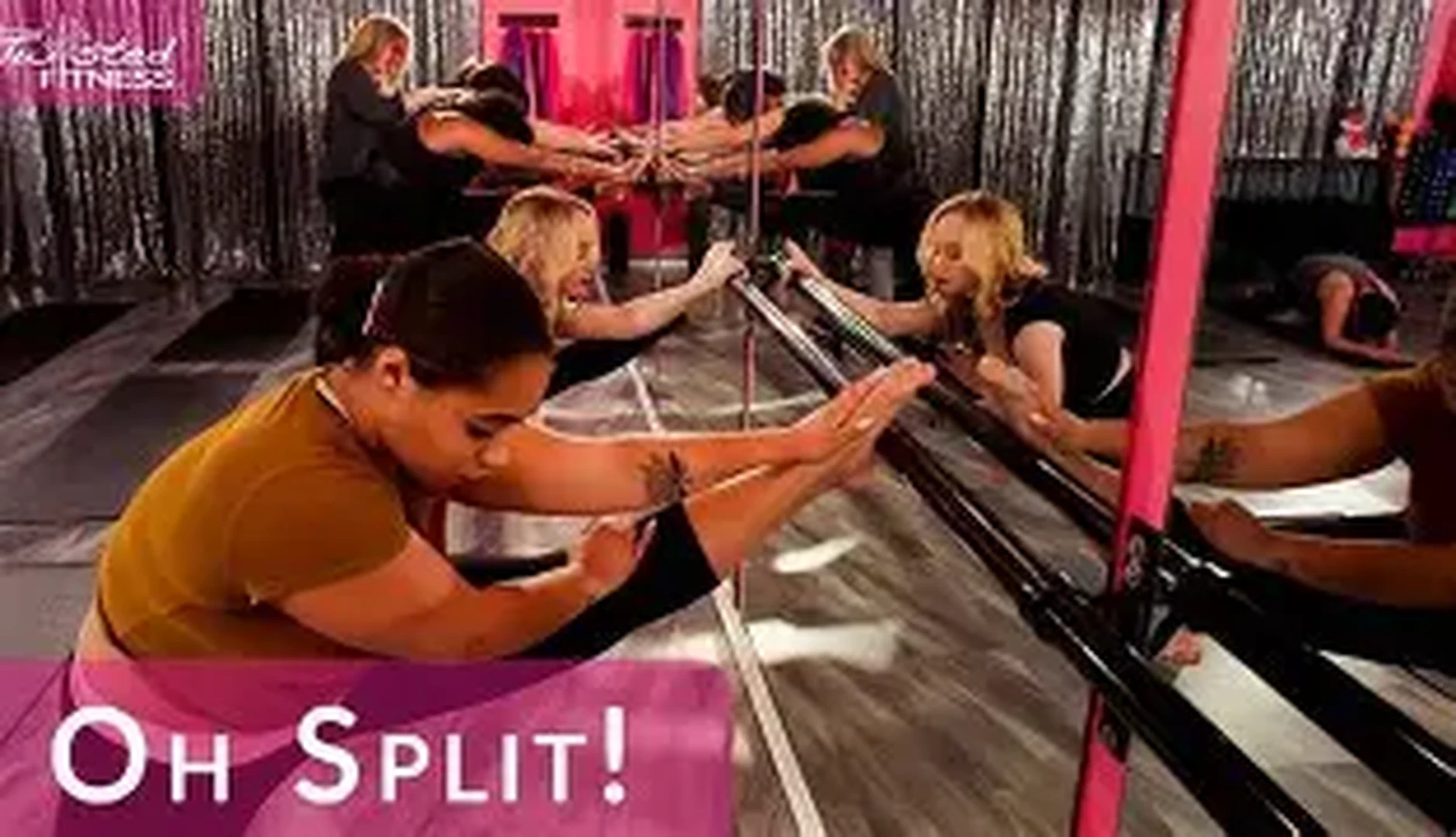
- Light stretching
- Hip mobility
- Shoulder rolls
- Core activation
Focus on sculpting muscles used in pole and chair dancing:
- Squats
- Deadlifts
- Planks
- Push-ups
- Glute bridges
Pole:
- Basic spins
- Pole walks
- Climbing drills
- Core holds
Chair:
- Hip rolls
- Chair transitions
- Floor-to-chair movements
- Flow sequences
Begin with intention.
- Hamstring stretches
- Backbends
- Hip-opening poses
- Shoulder flexibility
- Slow breathing
- Gentle movement
- Affirmations
- Mirror work
This routine sculpts the body while nurturing the confidence that Twisted Fitness is known for cultivating.
Rio's studio stands out because it blends fitness with identity. Women don't just build muscle — they build self-esteem. They don't just learn choreography — they learn to celebrate their bodies. They don't just get stronger — they get freer.
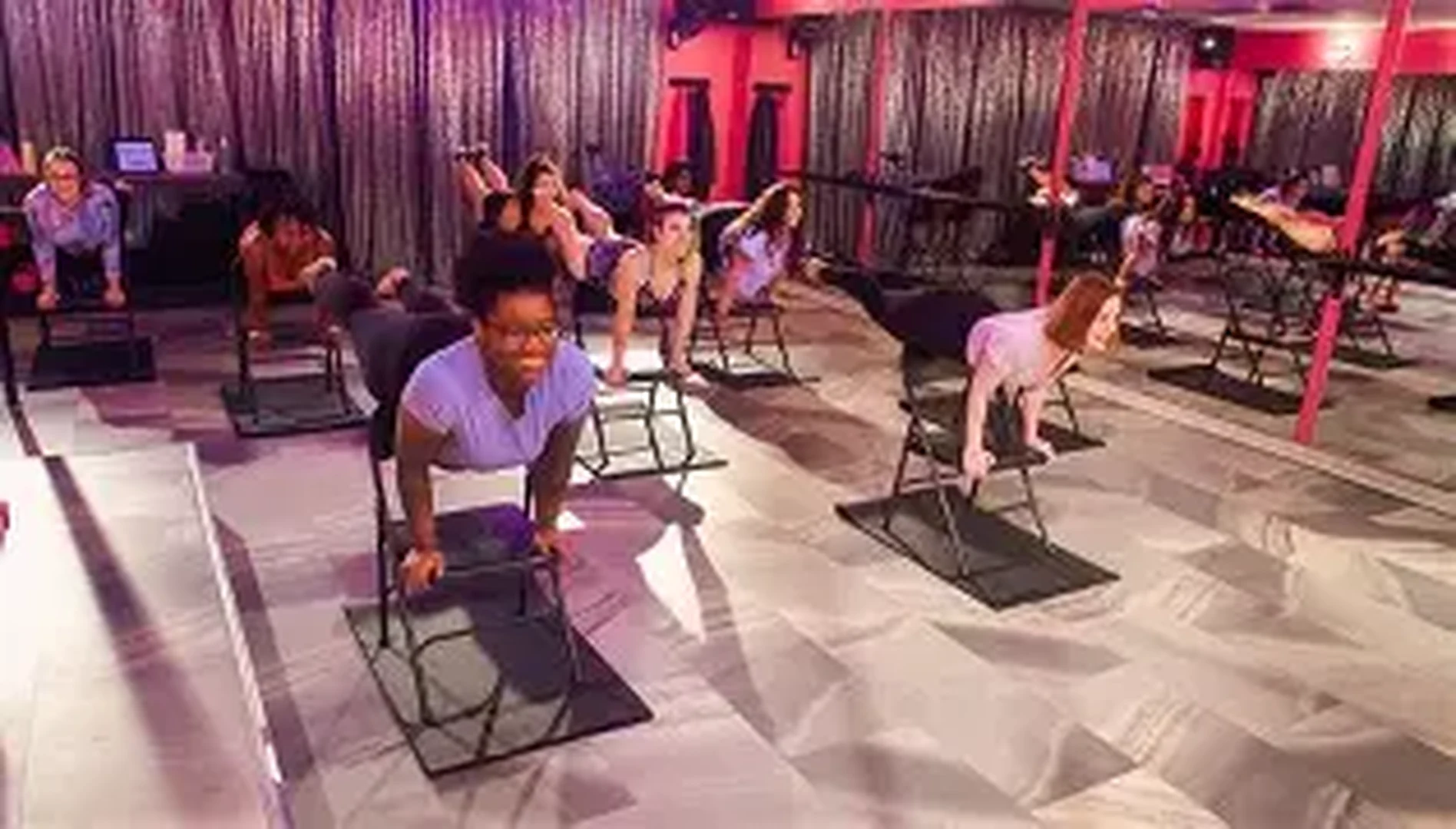
They get freer.
Twisted Fitness is a reminder that the body you desire isn't just shaped by workouts.
It's shaped by courage.
By community.
By movement that makes you feel powerful.
And Rio has created a space where every woman can rise — physically, mentally, and emotionally.

Every woman can rise.
By Cherriell Orius
There are tropical destinations — and then there is Bali.
A place where time slows, colors deepen, and the world feels both ancient and brand new. Bali is not simply a vacation spot; it is a sensory experience, a spiritual reset, and a cultural immersion wrapped in turquoise waters and emerald-green landscapes.
Travelers come for the beaches.
They return for the transformation.
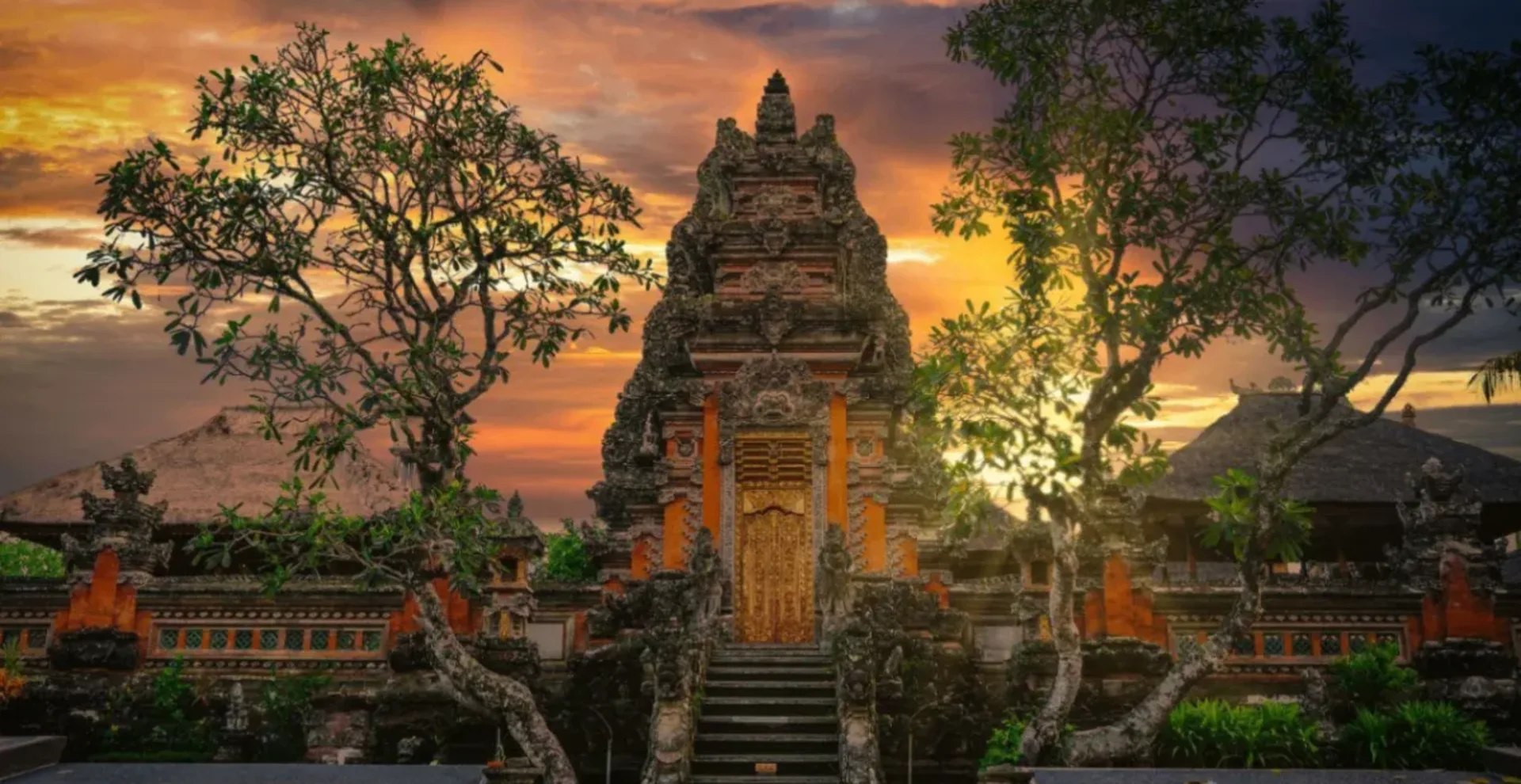
They return for the transformation.

Bali is a living postcard. Every corner looks curated by nature itself — from the misty mountains of Kintamani to the iconic rice terraces of Tegallalang, from the cliffside temples of Uluwatu to the soft-sand beaches of Nusa Dua.
The island's beauty is not loud; it's intentional.
It invites you to breathe deeper, walk slower, and notice more.
Bali's coastline is a study in contrast:
- Seminyak offers chic beach clubs and golden sands.
- Uluwatu delivers dramatic cliffs and world-class surf.
- Sanur provides calm waters perfect for sunrise strolls.
- Nusa Penida stuns with untouched, cinematic shores.
In Ubud, Bali's cultural heart, the jungle hums with life. Monkeys swing through the treetops, waterfalls carve through hidden valleys, and yoga retreats sit quietly among bamboo forests.
Bali's temples are not tourist attractions — they are sacred spaces.
From the sea temple Tanah Lot to the water temple Tirta Empul, each one carries centuries of ritual, devotion, and artistry.
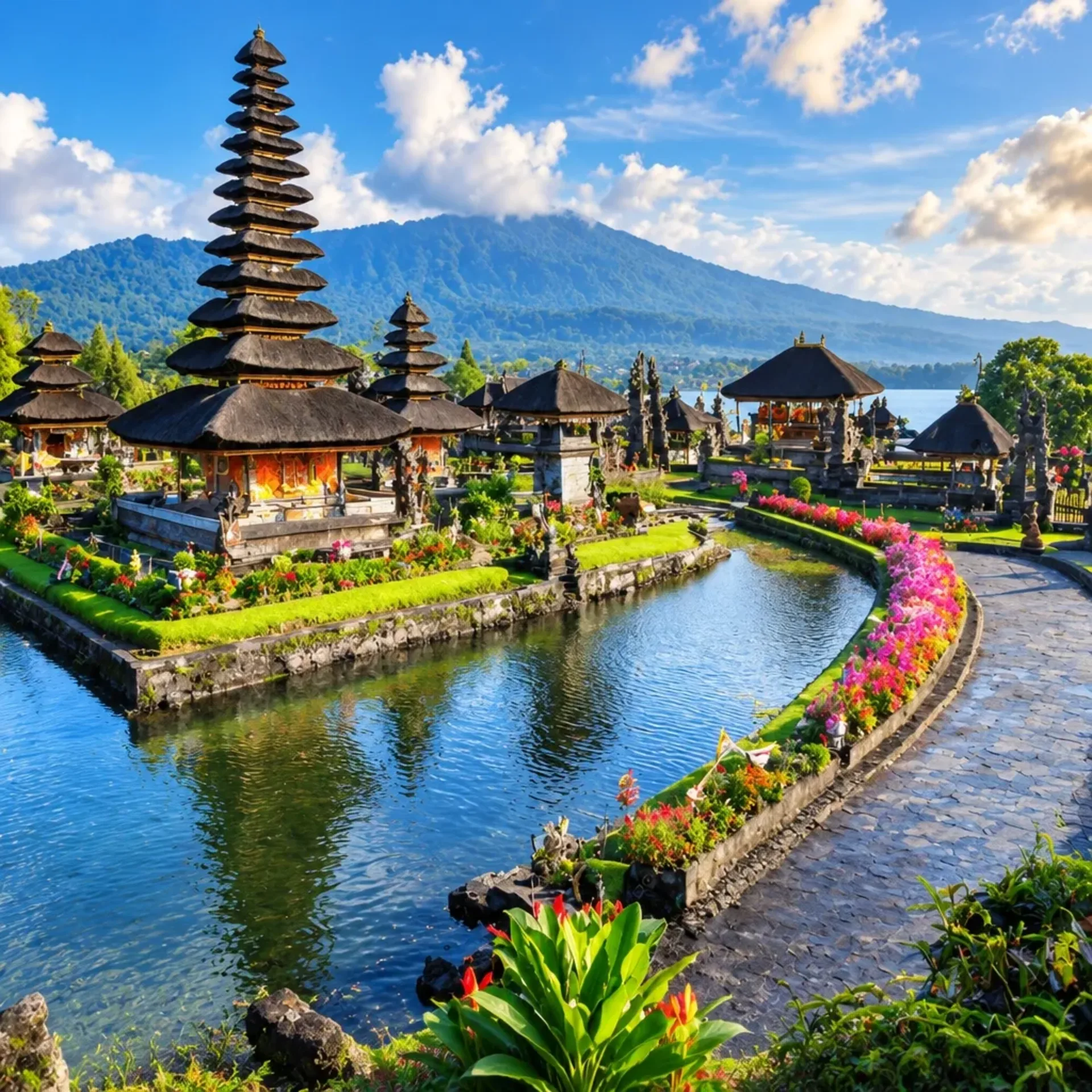
What makes Bali unforgettable isn't just the scenery — it's the people. Balinese culture is warm, spiritual, and deeply communal. Daily offerings line the streets, ceremonies fill the air with music, and locals greet you with a kindness that feels genuine, not performative.
Travelers often describe Bali as a place that "feels like home," even if they've never been before.
If there is one place on Earth designed for healing, it's Bali.
Ubud is a global sanctuary for:
- Yoga retreats
- Breathwork workshops
- Sound healing sessions
- Meditation immersions
Balinese spa culture is legendary.
Expect:
- Flower baths
- Hot stone massages
- Herbal body scrubs
- Traditional healing rituals
Wellness isn't an activity in Bali — it's a lifestyle.
Wellness isn't an activity in Bali — it's a lifestyle.
Bali is gentle, but it's also wild. For the adventurous traveler, the island offers endless thrills.
- Hike Mount Batur at sunrise
- Snorkel with manta rays in Nusa Penida
- Chase waterfalls in Sekumpul
- Explore underwater statues in Gili Islands
- Take a Balinese cooking class
- Visit sacred monkey forests
Every day can be as peaceful or exhilarating as you choose.

Every day can be as peaceful or exhilarating as you choose.
Balinese cuisine is rich, aromatic, and deeply cultural. Expect:
- Nasi goreng (fried rice)
- Mie goreng (fried noodles)
- Satay skewers
- Babi guling (roast pork)
- Fresh tropical fruits
- Coconut-infused desserts
And the cafés? Bali's café culture is unmatched — think oceanfront brunches, jungle coffee houses, and smoothie bowls that look like art.
Balinese cuisine is rich, aromatic, and deeply cultural.

Perfect for:
- Retreats
- Culture
- Nature
- Spiritual reset
Perfect for:
- Trendy restaurants
- Beach clubs
- Shopping
- Modern luxury
Perfect for:
- Honeymoons
- Cliffside resorts
- Secluded beaches
Perfect for:
- Families
- Relaxation
- White-sand beaches
Perfect for retreats, culture, nature, and a spiritual reset.
Bali is more than a destination — it's a mirror.
It reflects back the parts of you that need rest, adventure, clarity, or joy. Travelers often describe leaving Bali with:
- A calmer mind
- A lighter spirit
- A deeper sense of gratitude
- A renewed connection to themselves
It's the kind of place that stays with you long after you've returned home.
Whether you're seeking paradise, healing, adventure, culture, or simply a break from the noise of everyday life, Bali delivers. It's a place where beauty feels effortless, where wellness feels natural, and where every sunrise feels like a fresh beginning.
Bali isn't just a trip — it's a transformation.
Bali isn't just a trip — it's a transformation.
By Cherriell Orius
When travelers dream of paradise, Bali often sits at the top of the list — an island of temples, jungles, and turquoise waters that feels almost mythical. But what if you could experience a tropical escape with similar beauty, culture, and adventure without crossing the world or breaking your budget?
Enter Puerto Rico — a U.S. territory that delivers Caribbean warmth, lush rainforests, and vibrant culture at a fraction of the cost and travel time.
Both destinations offer unforgettable experiences, but they cater to different types of travelers. Here's how they compare.

Two paradises, one big difference.

Bali is slow, spiritual, and deeply rooted in ritual. It's a place where mornings begin with incense, afternoons drift into jungle hikes, and evenings end with ocean sunsets framed by ancient temples. Bali feels like a retreat — a place to reset, reflect, and reconnect.
Puerto Rico, on the other hand, pulses with Caribbean rhythm. It's lively, colorful, and full of movement — salsa music, street festivals, beachfront cafés, and warm hospitality. Puerto Rico feels like celebration — a place to explore, dance, and indulge.

Both destinations offer breathtaking natural beauty, but in different forms.
- Rice terraces carved into emerald hills
- Sacred temples perched on cliffs
- Volcanic mountains
- Jungle waterfalls
- Coral-rich waters
- El Yunque Rainforest — the only tropical rainforest in the U.S.
- Bioluminescent bays that glow at night
- White-sand beaches with turquoise water
- Mountain ranges and hidden swimming holes
- Colorful colonial architecture in Old San Juan
Both are stunning — Bali feels ancient and mystical, Puerto Rico feels vibrant and alive.
This is where the difference becomes undeniable.
- A 20-24 hour flight
- Higher travel costs
- Passport and international fees
- Longer stays to justify the journey
- 3-6 hour flights from the East Coast
- No passport required
- U.S. currency and cell service
- Budget-friendly hotels, food, and excursions
For travelers seeking tropical beauty without international logistics, Puerto Rico wins easily.
Puerto Rico wins easily.

- Yoga retreats
- Meditation
- Spa healing
- Slow travel
- Spiritual exploration
- Beach hopping
- Salsa dancing
- Food tours
- Rainforest hikes
- Nightlife and culture
Both destinations offer adventure, but Bali leans inward while Puerto Rico leans outward.
- A spiritual or wellness retreat
- Long, immersive travel
- Ancient culture and temples
- Jungle serenity and slow living
- A tropical escape without a passport
- Short, affordable flights
- Caribbean culture and nightlife
- Rainforest hikes and glowing bays
Both destinations are paradise — but Puerto Rico offers a Bali-like experience that's closer, cheaper, and easier for U.S. travelers.
Closer, cheaper, and easier.
Whether you're building strength, improving flexibility, or stepping into a new wellness journey, the right fitness environment makes all the difference. Here's a curated list of local fitness resources offering everything from traditional gym training to boutique studios, dance-based fitness, and specialized conditioning.
The right environment makes all the difference.
Full-service gym offering:
Budget-friendly option with:
Known for:
Build the foundation.
Heart-rate-based interval training:
Women-focused training offering:
Functional training with:
Find your rhythm.
A transformative studio offering:
Perfect for sculpting the body while awakening inner strength, sensuality, and self-expression.
Offers:
Yoga-based movement:
Awaken your inner strength.
Features:
Offers:
Known for:
Make space to restore.
Workouts include:
Training options:
Focuses on:
Strength carries forward.
Local groups offering:
Provides:
Many trainers offer:
Perfect for:
Keep moving toward yourself.
By Cherriell Orius
Fashion is more than clothing — it is storytelling. Every region of the world carries its own visual language, expressed through color, pattern, silhouette, and texture. Cultural fashion is a reflection of history, climate, spirituality, and identity. From the refined tailoring of Europe to the sun-kissed vibrancy of the Mediterranean, from America's melting-pot creativity to the ornate elegance of the Middle East, global style reveals how people see themselves and the world around them.
This is the beauty of cultural fashion: it is wearable anthropology.
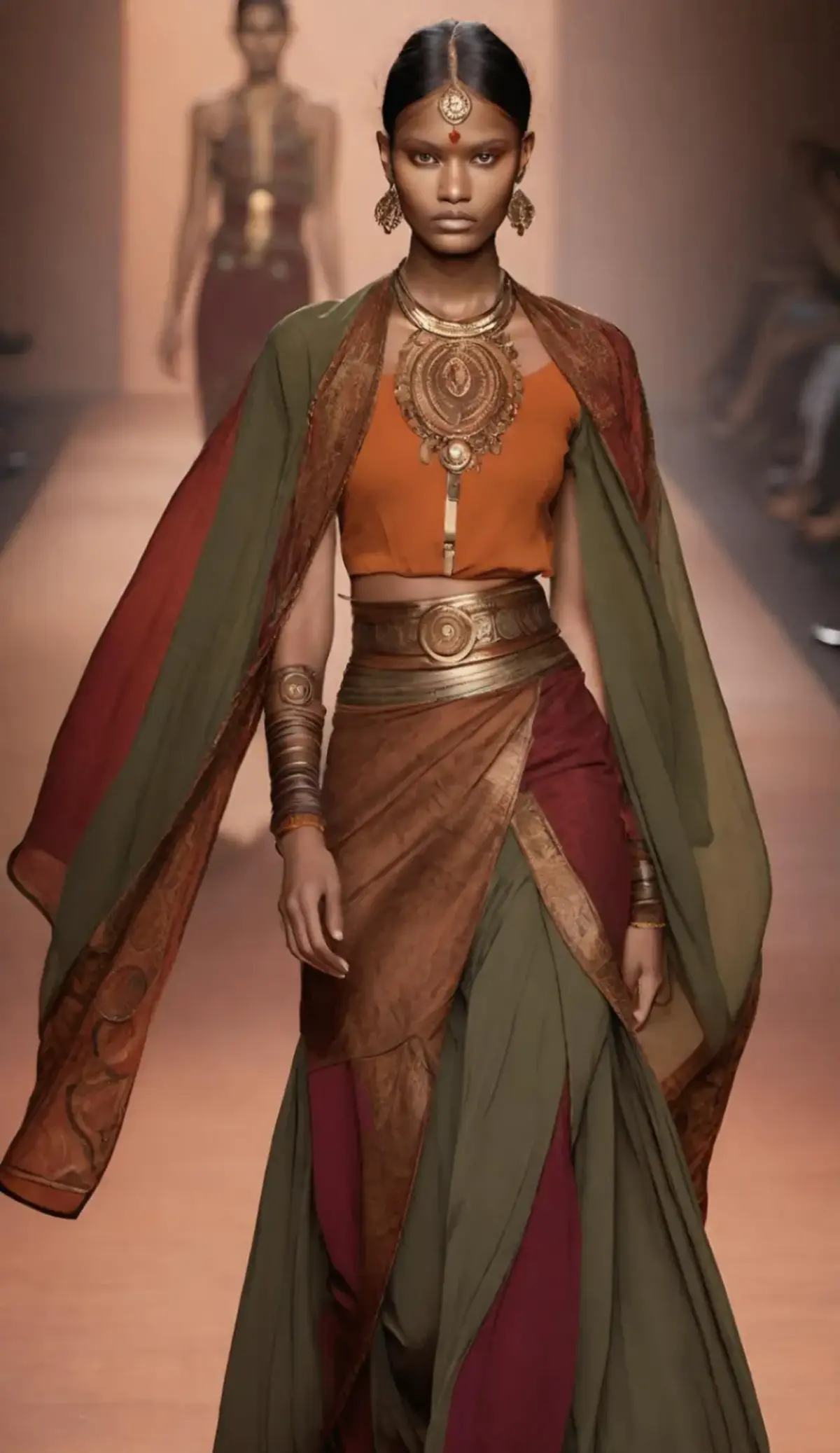
Style carries memory.
Europe has long been the epicenter of global fashion, known for its craftsmanship, structure, and refined simplicity. European style is rooted in tradition — from Parisian couture to Italian tailoring — and often favors clean lines, muted palettes, and luxurious fabrics.
European fashion leans toward:
- Black, white, and cream
- Navy and charcoal
- Soft pastels
- Earthy neutrals
These colors reflect sophistication, restraint, and timelessness.
Expect:
- Houndstooth
- Plaid
- Pinstripes
- Minimalist florals
Patterns are subtle, controlled, and often symmetrical — mirroring Europe's architectural precision.
European silhouettes emphasize:
- Structure
- Fit
- Quality
- Understated luxury
Think tailored coats, crisp blouses, leather accessories, and effortlessly chic ensembles that prioritize craftsmanship over flash.


Craftsmanship never dates.
Mediterranean style is warm, vibrant, and deeply connected to nature. Influenced by the sea, sun, and ancient cultures, Mediterranean fashion blends comfort with sensuality.
Mediterranean palettes are bold and joyful:
- Terracotta
- Turquoise
- Sun-yellow
- Olive green
- Coral
- Deep ocean blues
These colors echo the region's landscapes — from Santorini's rooftops to Morocco's spice markets.
Expect:
- Geometric motifs
- Mosaic-inspired prints
- Embroidery
- Bohemian florals
Patterns are expressive, artistic, and often handcrafted.
Mediterranean silhouettes are:
- Flowing
- Breathable
- Relaxed
- Romantic
Think linen dresses, off-shoulder tops, airy skirts, and woven accessories — clothing designed for movement and heat.


Wear the weather.
American fashion is a melting pot of global influences. It is defined by individuality, innovation, and the freedom to mix styles from everywhere. From streetwear to high fashion, America embraces contrast and creativity.
American palettes vary widely:
- Bold primaries
- Earth tones
- Neon accents
- Monochrome streetwear
- Seasonal trend colors
Color choices reflect personality and self-expression rather than tradition.
Expect:
- Denim textures
- Graphic prints
- Stripes
- Camouflage
- Patchwork
Patterns often reflect subcultures — hip-hop, surf, skate, boho, and luxury streetwear.
American silhouettes are:
- Casual
- Versatile
- Trend-driven
- Comfort-focused
Think denim, sneakers, athleisure, oversized fits, and eclectic layering — fashion that prioritizes individuality and practicality.


Individuality is the pattern.
Middle Eastern fashion is rich, ornate, and deeply symbolic. Influenced by tradition, religion, and craftsmanship, it blends modesty with luxury in a way that feels regal and timeless.
Middle Eastern palettes are bold and luxurious:
- Gold
- Emerald
- Ruby
- Sapphire
- Deep black
- Pure white
Colors often carry cultural meaning — purity, wealth, spirituality, or celebration.
Expect:
- Intricate embroidery
- Geometric motifs
- Calligraphic designs
- Metallic embellishments
- Brocade and jacquard
Patterns are detailed, symmetrical, and often handcrafted by artisans.
Middle Eastern silhouettes emphasize:
- Draping
- Modesty
- Fluidity
- Ornate detail
Think abayas, kaftans, embellished gowns, and flowing fabrics that move with elegance and intention.

Detail is devotion.
Across continents, fashion reflects:
- Climate (Mediterranean linen, Middle Eastern draping)
- History (European tailoring, American denim)
- Spirituality (Middle Eastern symbolism, Mediterranean ritual colors)
- Identity (American individuality, European refinement)
Colors tell stories.
Patterns preserve heritage.
Silhouettes express values.
Fashion is culture made visible — a global tapestry woven from tradition, creativity, and human expression.
Keep the story in motion.
HERSTORY is a space for women to be seen, supported, and inspired.
Empowered Women. Empower the World.
See you in the next chapter.
Page 1 of 75
Scroll the open page with the arrows, then swipe or use left and right arrows to turn it.
There is always more to become.